Minimalist Boho Monochrome Patterns: A Timeless Design Choice
The Allure of Black and White in Bohemian Style
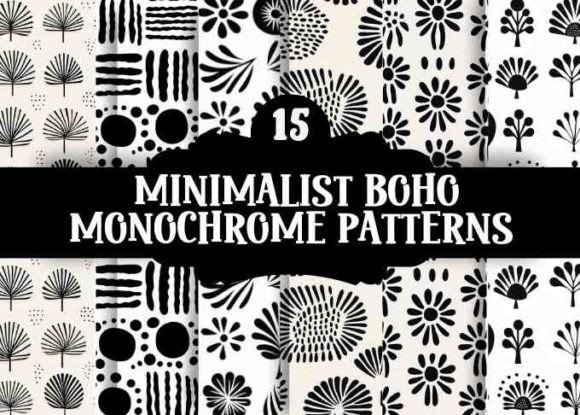
Minimalist Boho Monochrome Patterns are making a strong statement in the world of design. These elegant black and white monochrome boho patterns offer a unique blend of simplicity and sophistication, allowing designers to create visually striking pieces without overwhelming the viewer.
At their core, these patterns embrace the bohemian spirit while maintaining a minimalist edge. This balance makes them incredibly versatile, suitable for everything from digital backgrounds to textiles and graphic design projects. Their clean lines and thoughtful use of negative space provide a canvas that can be easily personalized to suit individual tastes or brand identities.
One of the key advantages of using Minimalist Boho Monochrome Patterns is their ability to evoke a sense of calm and focus. In today’s fast-paced world, this quality is highly desirable, especially for those looking to incorporate a more relaxed and organic aesthetic into their work or living spaces.
Characteristics That Define Minimalist Boho Monochrome Patterns
These patterns are defined by several key characteristics that set them apart from other design styles. First and foremost, they rely heavily on contrast between black and white. This high-contrast approach creates a dramatic effect that can draw attention and add depth to any project.
- Simplicity: The minimalist aspect ensures that the design remains uncluttered, focusing on essential elements.
- Bohemian Influence: Incorporating boho elements such as floral motifs, geometric shapes, and natural textures gives the patterns an earthy and free-spirited feel.
- Monochrome Focus: Sticking to a single color palette enhances visual clarity and allows for greater flexibility in application.
Together, these characteristics create a cohesive look that is both modern and timeless. They can be adapted to various industries, including fashion, interior design, and digital media, where their adaptability is a major asset.
How Minimalist Boho Monochrome Patterns Fit Into Modern Workflows
Incorporating Minimalist Boho Monochrome Patterns into your workflow can streamline the creative process while ensuring consistency across different mediums. For graphic designers, these patterns serve as a foundation upon which other elements can be layered, providing structure without overpowering the overall composition.
For example, a designer working on a website might use a subtle black and white pattern as a background to enhance readability and visual interest. Similarly, in textile design, these patterns can be used to create eye-catching fabrics that stand out in a crowded market.
Another benefit is the ease with which these patterns can be customized. Whether you're adjusting the scale, adding texture, or experimenting with different compositions, the versatility of Minimalist Boho Monochrome Patterns allows for endless possibilities.
Moreover, the rise of digital tools has made it easier than ever to experiment with these designs. Many online platforms offer customizable templates that allow users to tweak colors, spacing, and layout to fit their specific needs.
Practical Benefits of Using Minimalist Boho Monochrome Patterns
When considering the practical benefits of Minimalist Boho Monochrome Patterns, it's important to think about how they can enhance both functionality and aesthetics. One of the most significant advantages is their ability to create a sense of harmony within a design. Unlike more complex patterns, which can sometimes feel chaotic, these minimalist designs promote balance and order.
Additionally, the use of black and white ensures that the patterns remain neutral and adaptable. This neutrality means that they can be paired with almost any color scheme or branding element, making them a safe yet stylish choice for a wide range of applications.
From a sustainability perspective, these patterns also have an advantage. Because they rely on just two colors, they can be printed efficiently with minimal waste, aligning well with eco-friendly design practices.
For individuals looking to incorporate these patterns into their personal lives, whether through home decor or fashion choices, the minimalist boho style offers a way to express creativity without sacrificing comfort or practicality.
Scenarios Where Minimalist Boho Monochrome Patterns Shine
There are countless scenarios where Minimalist Boho Monochrome Patterns can elevate a design. In the realm of interior design, these patterns can be used to create a serene atmosphere in a room. Imagine a living space adorned with soft, flowing black and white prints on throw pillows or curtains—this combination brings a sense of calm and elegance to any setting.
For digital content creators, these patterns can serve as a backdrop for social media posts, blog headers, or website banners. Their clean lines and soothing visuals help to keep the focus on the content itself while adding a touch of personality.
In the world of fashion, designers are increasingly turning to minimalist boho monochrome patterns to create standout pieces. From dresses to accessories, these patterns can add a layer of sophistication to any outfit, making them a popular choice among style-conscious individuals.
Even in corporate environments, these patterns can be used strategically. For instance, they can be incorporated into office decor to create a more relaxed and welcoming atmosphere, or used in marketing materials to convey professionalism while maintaining a creative edge.
Considerations When Choosing Minimalist Boho Monochrome Patterns
While Minimalist Boho Monochrome Patterns offer many benefits, there are a few considerations to keep in mind when choosing them for your projects. First and foremost, it's important to ensure that the pattern complements the overall design rather than competing with it. Too much detail can overwhelm the viewer, so it's crucial to strike the right balance.
Another consideration is the intended audience. While these patterns are universally appealing, they may resonate more with certain demographics. For example, a younger, more artistic audience might appreciate the bohemian influence, while a more professional audience might prefer the clean, minimalist approach.
Lastly, it's worth thinking about the medium on which the pattern will be applied. Different surfaces and materials can affect how the pattern appears, so it's a good idea to test the pattern on various substrates before finalizing your design.