Chinoserie Patterns: A Timeless Design Trend for Modern Creatives and Entrepreneurs
Chinoserie patterns have been making a quiet but impactful resurgence in the world of design, craft, and digital art. Known for their intricate floral motifs, ornate borders, and whimsical illustrations, these designs offer a unique blend of elegance and playfulness that resonates with a wide range of creative professionals. Whether you're an entrepreneur launching a new product line or a designer looking to elevate your visual content, understanding the appeal and versatility of Chinoserie patterns can open up exciting opportunities.
What Are Chinoserie Patterns?
Chinoserie is a decorative style that originated in 18th-century Europe, inspired by Chinese porcelain and textiles. The term itself comes from the French chinois, meaning "Chinese." These patterns are characterized by delicate hand-painted scenes, often featuring exotic animals, birds, flowers, and landscapes. Today, Chinoserie has evolved into a modern aesthetic that blends traditional elements with contemporary sensibilities, making it highly adaptable across various industries and applications.
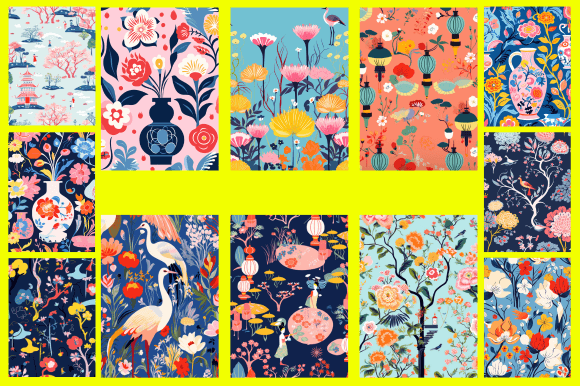
The Chinoserie Patterns Digital Paper Bundle offers 12 high-resolution digital papers, all within a single zip file. Each paper is designed to be versatile and reusable, perfect for print-on-demand products, scrapbooking, stationery, and more. The bundle includes JPEG files, ensuring compatibility with most design software and printers. While actual colors may vary slightly due to monitor settings, the high-resolution format ensures that the quality remains consistent across different mediums.
The Growing Popularity of Chinoserie in Creative Industries
In recent years, there has been a noticeable shift toward vintage-inspired and artisanal aesthetics across multiple sectors. This trend is not just a nostalgic throwback; it reflects a deeper desire among consumers and creators for authenticity, craftsmanship, and personal expression. Chinoserie patterns align perfectly with this movement, offering a rich visual language that speaks to both historical appreciation and modern creativity.
For entrepreneurs and marketers, incorporating Chinoserie patterns into branding materials, packaging, and promotional content can create a distinct identity that stands out in a crowded market. The patterns' timeless appeal allows them to remain relevant across seasons and trends, providing a stable foundation for long-term brand development.
Crafters and designers also benefit from the adaptability of Chinoserie patterns. From greeting cards and planners to wall art and stickers, these designs can be customized to suit a variety of projects. Their intricate details make them ideal for adding depth and character to otherwise simple layouts, enhancing the overall visual impact of any creation.
Why Are People Paying Attention to Chinoserie Patterns?
The rising interest in Chinoserie patterns can be attributed to several factors. First, there is a growing demand for unique and personalized content in today's digital landscape. As consumers become more discerning, they seek out products and experiences that reflect individuality and storytelling. Chinoserie patterns, with their rich imagery and cultural narratives, provide a compelling way to connect with audiences on a deeper level.
Second, the rise of digital crafting and print-on-demand services has made it easier than ever for creators to experiment with new styles and formats. With access to high-quality digital papers like the Chinoserie Patterns Digital Paper Bundle, artists and designers can quickly prototype and produce custom items without the need for expensive equipment or large inventory.
Third, the increasing popularity of vintage and retro aesthetics in fashion, home decor, and lifestyle has created a renewed appreciation for classic design elements. Chinoserie patterns, with their elegant and ornate details, fit seamlessly into this trend, offering a bridge between past and present.
Practical Applications of Chinoserie Patterns
The versatility of Chinoserie patterns makes them suitable for a wide range of applications. Here are some practical examples of how these designs can be used:
- Gift Wrapping: Add a touch of sophistication to gift packaging with Chinoserie patterned paper. These designs can transform ordinary wrapping into a memorable experience.
- Greeting Cards: Use Chinoserie patterns as backgrounds for handmade or printed cards, creating a sense of warmth and charm.
- Planners and Journaling: Incorporate these patterns into daily planners or junk journals to add visual interest and inspiration.
- Invitations and Stationery: Whether it's for weddings, birthdays, or business events, Chinoserie patterns can elevate the look of invitations and other stationery items.
- Wall Art and Decor: Print these patterns on canvas or poster paper to create eye-catching wall art that adds personality to any space.
- Acrylic Tumbler Wrapping: Customize tumblers with Chinoserie patterns to create unique, branded merchandise or personalized gifts.
These are just a few of the many ways that Chinoserie patterns can be applied. Their adaptability and visual richness make them a valuable asset for anyone involved in creative work.
Connecting Chinoserie Patterns to Broader Trends
As we move further into the digital age, the lines between physical and digital creativity continue to blur. Chinoserie patterns, with their intricate details and artistic flair, are well-suited for this evolving landscape. They can be used in both digital and print formats, allowing creators to explore new possibilities in multimedia design, e-commerce, and interactive content.
Moreover, the rise of sustainable design and eco-conscious consumption has led to a greater emphasis on reusability and minimalism. Digital papers like those included in the Chinoserie Patterns Bundle support this trend by reducing the need for physical materials and enabling endless reuse without waste.
Finally, the growing interest in cultural appreciation and global aesthetics has made traditional design elements like Chinoserie more relevant than ever. By embracing these patterns, creators can honor cultural heritage while also innovating and adapting them for modern contexts.
Conclusion
Chinoserie patterns represent more than just a decorative choice—they are a reflection of broader creative, cultural, and commercial trends. Their intricate designs, historical roots, and adaptability make them a powerful tool for professionals, entrepreneurs, and enthusiasts alike. Whether you're looking to enhance your branding, expand your craft offerings, or simply express your artistic vision, the Chinoserie Patterns Digital Paper Bundle provides a versatile and inspiring resource.
By incorporating these patterns into your workflow, you can tap into a growing market of consumers who value authenticity, craftsmanship, and visual storytelling. In a world where attention is fleeting and competition is fierce, standing out requires more than just good ideas—it requires thoughtful, meaningful design. And with Chinoserie patterns, you have a timeless and elegant solution at your fingertips.