Botanical Flowers Surface Patterns: A Versatile Design Asset for Creative and Commercial Projects
Botanical flowers surface patterns are intricate, nature-inspired designs that feature detailed botanical illustrations of flowers, leaves, and stems. These patterns are commonly used in textile design, digital backgrounds, print-on-demand products, and more. Their versatility makes them a valuable asset for creators, entrepreneurs, and professionals working across various industries. Whether you're designing fabric for apparel, creating digital assets for marketing materials, or producing unique gifts, botanical flower surface patterns offer a timeless aesthetic that can be adapted to a wide range of applications.
Understanding Botanical Flowers Surface Patterns
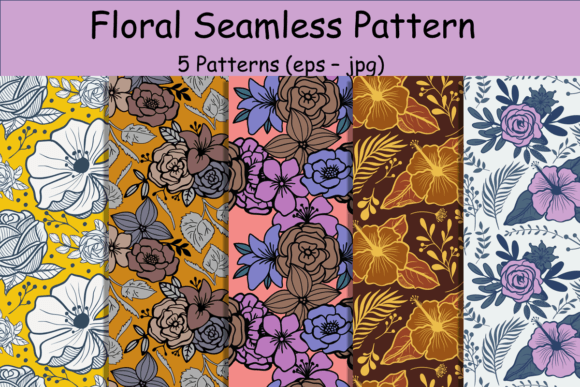
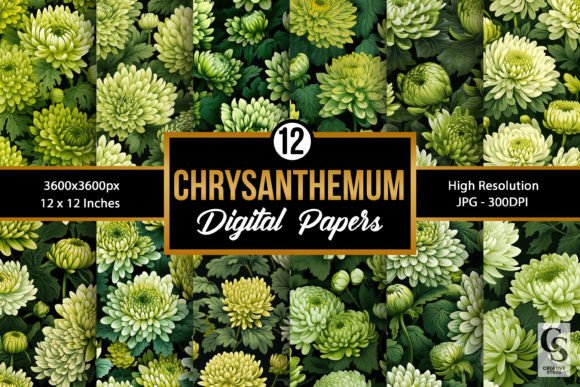
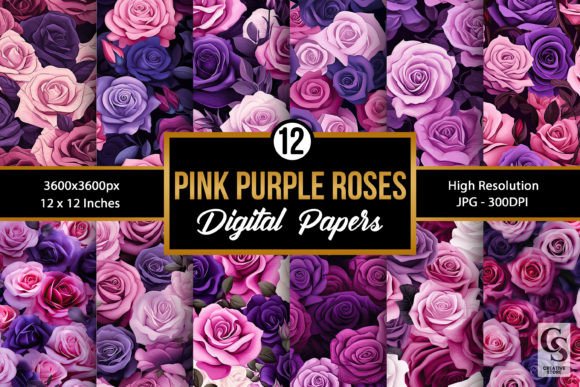
Botanical flowers surface patterns are typically created using high-resolution digital illustrations or traditional hand-drawn techniques. These designs are often repeated seamlessly to create a continuous pattern suitable for fabric printing, wrapping paper, stickers, and other surfaces. The key elements of these patterns include accurate floral anatomy, rich color palettes, and a sense of natural movement that mimics the organic forms found in nature.
The term "seamless floral repeat" refers to the way these patterns are designed so that they can be tiled without visible seams or breaks. This is particularly important when applying the pattern to fabric or digital backgrounds where continuity is essential. The repetition allows the design to maintain visual harmony across large areas while preserving the detail and intricacy of the original illustration.
Applications of Botanical Flowers Surface Patterns
Botanical flowers surface patterns have a wide range of uses, from commercial product design to personal creative projects. Here are some of the most common applications:
- Fabric and Textile Design: These patterns are ideal for creating textiles such as curtains, bedding, upholstery, and apparel. The natural aesthetic of botanical flowers complements a variety of interior design styles, making them a popular choice for home décor and fashion.
- Digital Backgrounds: Digital designers can use these patterns as backgrounds for websites, apps, or presentations. The seamless repeat ensures that the background looks consistent across different screen sizes and resolutions.
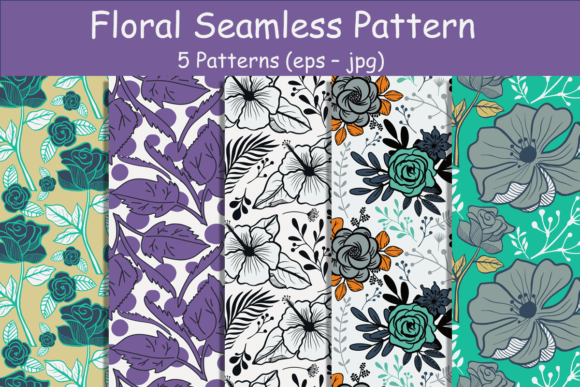
- Print on Demand Products: Entrepreneurs and small business owners can leverage these patterns to create custom products like t-shirts, mugs, and phone cases. The high-resolution files included (5 JPG at 4000x4000 px and 5 EPS files) make it easy to scale and print the designs professionally.
- Stickers and Labels: The intricate details of botanical flowers make them perfect for creating decorative stickers and labels. These can be used in branding, packaging, or as part of a larger design project.
- Apparel and Accessories: From embroidered patches to printed clothing, botanical flower patterns add a touch of elegance and sophistication to any garment or accessory.
- Posters and Keychains: These patterns can be used to create eye-catching posters, wall art, and personalized keychains. They are especially popular for events, birthdays, and holiday-themed designs.
- Notebooks and Stationery: Artists and writers often use botanical flower patterns for notebooks, planners, and other stationery items. The calming effect of floral designs can enhance focus and creativity.
- Gift Wrapping: Botanical flower patterns are an excellent choice for gift wrap, adding a personal and elegant touch to any present.
Integrating Botanical Flowers Surface Patterns into Your Workflow
Whether you're a designer, marketer, or entrepreneur, integrating botanical flower surface patterns into your workflow can streamline your creative process and enhance the quality of your final output. Here are some practical tips for incorporating these patterns into your projects:
Preparation: Before starting a project, ensure that you have access to high-quality files. The 5 high-resolution JPG files and 5 EPS files provided are suitable for both digital and print use. EPS files are particularly useful for scalable vector graphics, ensuring that the pattern remains sharp and clear at any size.
Compatibility: When using these patterns in design software like Adobe Illustrator or Photoshop, check that the file format is compatible with your preferred tools. EPS files work well with vector-based programs, while JPG files are ideal for raster-based editing.
Usability: To maximize usability, organize your pattern files by project type. For example, separate fabric-related patterns from digital background designs. This helps reduce confusion and ensures that you always have the right file for the task at hand.
Efficiency: Use the seamless repeat feature to save time when applying the pattern to large surfaces. Most design software includes tools for tiling and repeating patterns automatically, which can significantly speed up the design process.
Consistency: Maintain consistency in color schemes and style across all projects. If you're using these patterns for multiple products, consider developing a cohesive palette that aligns with your brand identity.
Quality Control: Always preview your designs before finalizing them. Check for any imperfections in the pattern repeat and ensure that the colors look consistent across different devices and lighting conditions.
Long-Term Use: Store your pattern files in an organized digital library for future use. This not only saves time but also ensures that you can easily revisit and reuse your favorite designs.
Workflow Examples and Practical Implementation Tips
Here are a few examples of how you can integrate botanical flower surface patterns into your workflow:
- Textile Design: Start by selecting a pattern that complements the intended fabric type. For example, a delicate floral pattern might be more suitable for lightweight fabrics like cotton, while bolder designs could work well on heavier materials like denim.
- Digital Backgrounds: Use the seamless repeat feature to apply the pattern as a background for a website or app. Ensure that the pattern doesn't clash with other design elements and maintains a clean, professional look.
- Print on Demand: When creating custom products, test the pattern on different materials and finishes to see how it looks in real life. Consider factors like texture, color accuracy, and durability.
- Stationery Design: Incorporate botanical flower patterns into notebooks, planners, and calendars. Use them as borders, page dividers, or decorative elements to enhance the overall design.
- Marketing Materials: Use these patterns in promotional materials such as flyers, brochures, and social media posts. The natural aesthetic can help convey a sense of authenticity and creativity.
By following these practical implementation tips, you can ensure that your projects look professional and cohesive while leveraging the beauty and versatility of botanical flower surface patterns.
Final Thoughts
Botanical flowers surface patterns are a powerful design tool that can elevate the visual appeal of a wide range of products and projects. Whether you're working on fabric design, digital backgrounds, or print-on-demand products, these patterns offer a natural and elegant aesthetic that is both versatile and timeless. With the right preparation, compatibility, and workflow integration, you can seamlessly incorporate these patterns into your creative process and achieve professional results every time.